
PTA / DOT
Impact Recovery Bollards


Select installation method
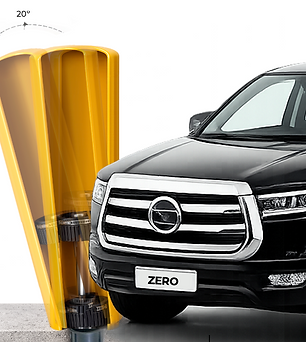
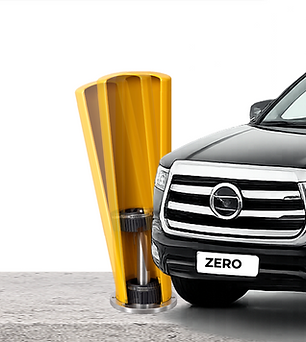
Choose the installation method that matches the site risk, ground conditions, and required impact performance. From standard in-ground installs to extra-heavy-duty and surface-mount options, each system is designed for faster replacement, lower maintenance, and reduced civil works.
350 MM IN-GROUND
For standard protection zones
A practical in-ground option for lower-impact areas where reliable asset protection is needed without excessive excavation.
650 MM IN-GROUND
For higher-risk traffic areas
Deeper embedment for stronger ground support and improved recovery performance in exposed car parks, access roads, and industrial applications
650 MM EXTRA HEAVY DUTY
For demanding impact locations
Designed for high-risk sites where repeated vehicle contact, heavy-duty traffic, or asset protection demands stronger impact resistance.
SURFACE MOUNT
For slabs, suspended decks & retrofit sites
A fast-install option for locations where excavation is not suitable, including concrete slabs, concrete footpaths, car parks, warehouses, and retrofit projects.

Impact Recovery
When secured using the Impact Recovery System bollards deflect (up to a maximum of 20 degrees) and self recover from light impact, and both your bollard and the surrounding foundations become reusable even following severe impact
Footings impact tested to 110 kmph

Surface Mount
You can surface mount Advanced Polymer Bollards using the Impact Recovery System (making bollards and foundations re-usable even following severe impact)
Perfect for carparks and locations where bollards will receive light impact
Surface Mount Impact Recovery bollards

In-ground
You can install Advanced Polymer Bollards in-ground, or using the Impact Recovery System (making bollards and foundations re-usable even following severe impact)
Suggest Impact Recovery System when bollards may be subject to severe impact.
In-ground Impact Recovery bollards

Advanced Polymer Bollards
Highly durable Non-Conductive Bollards made from Advanced Polymers are impact, scratch , dent resistant, will not chip or fade like powder coated bollards. Western Power/ Synergy Approved.
In-ground Advanced Polymer bollards Western Power

Impact Resistant
You can choose to secure them in-ground and bollards absorb light impact making them self recover from small bumps. If secured using the Impact Recovery System Bollards and footings are reusable following even severe impact
Photo of Advanced polymer bollards

Stop damage to footings!
Unlike steel bollards, Advanced Polymer Bollards are far more forgiving- able to absorb light impact and self recover. When secured using the Impact Recovery System
Bollards and footings become reusable following even severe impact - saving thousands
Photo of in-ground steel bollards

Protect Electrical infrastructure
Unlike steel bollards (shown above) Advanced Polymer Bollards are able to absorb light impact and self recover. They can be secured using the Impact Recovery System making both the bollard and concrete footings reusable following even severe impact. Western Power Approved
Photo of in-ground steel bollards

Dent resistant
Most plastic bollards are 1-3 mm thick (shown left), so dent and crack if impacted. ZERO bollards & covers are 7 mm thick (made from an advanced polymer) making them highly resistant to sun, impact and denting - greatly improving resilience and lifespan
Photo : Zero Bollards shown on right

Stop damage to vehicles!
Unlike steel bollards, Advanced Polymer Bollards are far more forgiving with a soft surface - protecting vehicles against damage when impacted. If secured using the Impact Recovery System Bollards they provide even greater protection against damage
Photo of dented vehicle
Department of Transport (DoT) approved bollards, particularly in Western Australia, include specialized impact-recovery and energy-absorbing (EAB) models designed to enhance pedestrian safety by curbing hostile or errant vehicles. These compliant bollards often meet strict, crash-tested standards such as PAS 68 and IWA 14-1, capable of withstanding impacts from vehicles weighing 1,600kg-2,500kg at speeds up to 64kph-112kph.
Key types of approved or commonly used traffic bollards include:
-
Energy Absorbing Bollards (EAB): Designed to protect pedestrians by absorbing impact energy, reducing damage, and improving safety in high-traffic zones.
-
Impact Recovery Bollards (Zero Waste): Reusable bollards that withstand multiple impacts, designed for areas like the City of Perth and WA Main Roads to reduce maintenance costs.
-
Hostile Vehicle Mitigation (HVM) Bollards: Certified bollards designed to stop vehicle-borne threats, often used in public, high-risk areas.
-
Main Roads WA Specified Bollards: Galvanized steel pipe bollards designed for durability and safety on major roads.
Key suppliers and manufacturers often cited in technical specifications include:
-
WA Bollards / Zero Civil: Known for Impact Recovery and DOT-specified products.
These systems are commonly installed in areas like town centers, tram stops, school zones, and commercial site